The Framework
A code for leadership
in the crisis era.
The framework draws five leadership modes from historical choices under institutional pressure. Use them to examine your default response, recognize its shadow, and write the commitments that will guide your next consequential decision.

Written by Chris Myers · CEO, B:Side Capital · Author, Honor Under Pressure
What it is
The Fourth Turning Leader framework, in plain terms.
The Fourth Turning Leader framework is a leadership architecture for crisis-era conditions, when institutions weaken, the middle ground collapses, and the playbook from the previous era stops working. It names five distinct responses to that pressure, Holding, Restraining, Eroding, Growing, and Embedding, each anchored to a historical leader who carried that mode under maximum cost.
The framework provides a reflection tool and a practice path. The Mode Finder summarizes the approaches your answers suggest. Test those hypotheses against actual decisions, consider where a strength can become a liability, and write the commitments you intend to keep.
Every term used here is defined in the Fourth Turning Leader glossary: the cycle, the modes, the code, and the practice, in one place.
What this Crisis looks like from inside it
Four signals from inside the Crisis.
The four pressures Fourth Turning leaders are actually deciding inside: institutional, organizational, technological, and geopolitical.
When authority no longer earns trust
A confidence crisis can strip an institution of the authority it once took for granted. Leaders must decide what evidence, candor, and action can earn trust again.
When the operating model stops working
The assumptions, incentive structures, and talent model that got your organization here still have defenders but no longer have answers. The hard decisions are about what to let go.
When AI changes the work and its purpose
The deeper question goes beyond cost or efficiency. It is what your organization is for when the cognitive work it was built around is being automated. The decision reaches people’s roles, institutional purpose, and the obligations that survive a change in technology.
When disruption threatens continuity
A geopolitical shock can interrupt access to critical supplies, markets, or infrastructure. Leaders must weigh continuity, dependence, and obligations to the people affected.
The Pressure
Why this moment requires a different kind of leadership.
The Fourth Turning is a historical concept describing a generational crisis cycle, a period in which existing institutions fail to address the pressures of the moment, and leaders are forced to make decisions that the old frameworks cannot make for them.
Process-based leadership works when the environment is stable. In a crisis, precedent, consensus, and institutional deference can reach their limit. The decisions that matter most may involve moral ambiguity and questions the manual cannot settle. This framework draws on historical cases and operating experience to examine what a leader stands for when that happens.
A working code gives strategy boundaries: commitments about what you will and will not do when pressure arrives. The task is to test those commitments against the facts and obligations of the decision.
The Fourth Turning theory describes four generational seasons.
The theory proposes a roughly 80-year cycle. It is a historical lens, not a fixed timetable or prediction.
The Five Modes
Five ways leaders hold the code under pressure.
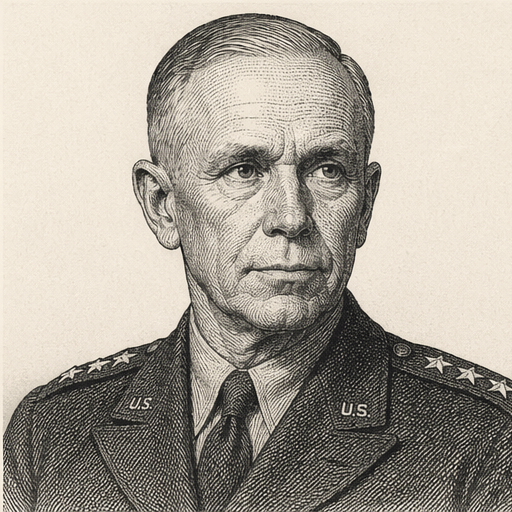
Each mode is a strength a crisis calls for, paired with the shadow it slips into when overused. Here is the overview; the full breakdown of each one lives on the Five Modes page.
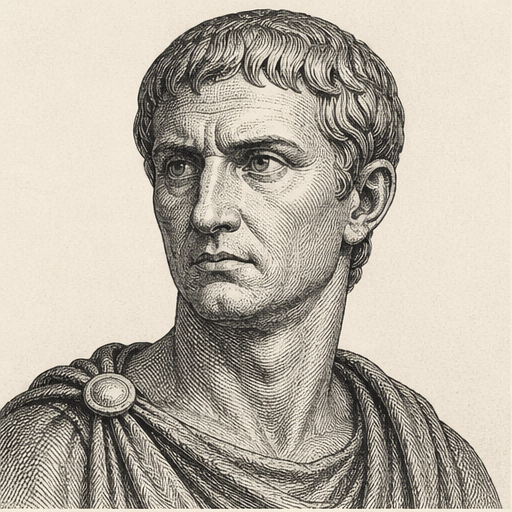
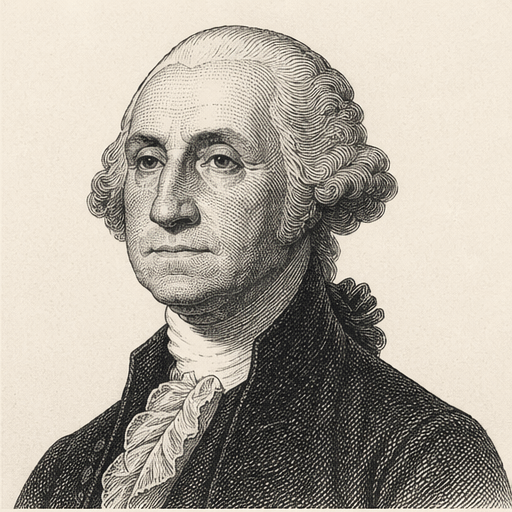
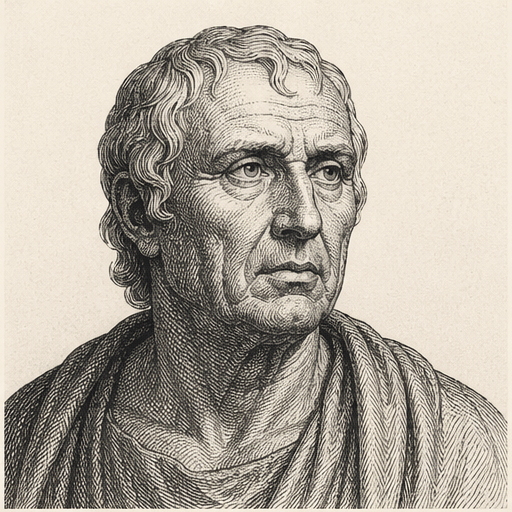
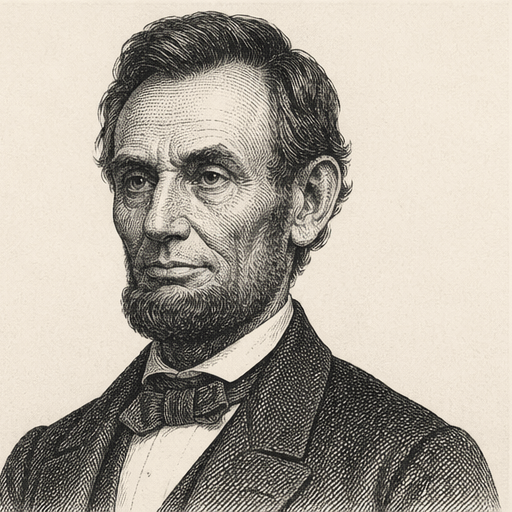
The Five-Part Honor Code
The architecture of a personal leadership code.
Each of the five modes maps to a component of a personal leadership operating code. Together, they form an architecture that holds when frameworks fail.
- 1The Line
- 2The Restraint
- 3The Test
- 4The Growing Edge
- 5The Transmission
Forthcoming research
What the first Index will examine.
The first Crisis Leadership Index is planned for Spring 2027. It will summarize patterns in aggregated Mode Finder responses, with a published methodology and clear limits on what the sample can tell us.
The Crisis Leadership Index · first edition Spring 2027 →More ways to put the framework into practice
From Framework to Practice
The Leader Lab turns the framework into practice.
Reading the framework is step one. The Leader Lab is where the work happens, where you identify your mode, map your shadows, stress-test your commitments, and build a code you can actually use. Available as a self-guided tool and a team engagement for organizations.