Framework / Eroding Mode
The Eroding Mode.
The Pragmatic Compromise
Eroding is not failure. It is the mode of leaders who operate inside systems they cannot fully control, making trades they cannot fully justify, holding what they can. The question is not whether you make compromises. It is whether you acknowledge them honestly and know when you have traded past the point of recovery.
Historical anchor: Seneca, 4 BC–65 AD
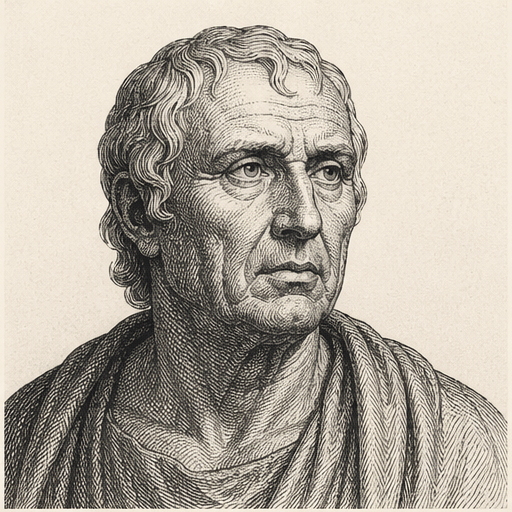
"Every compromise has a cost. The Eroding leader keeps an honest ledger. The Rationalizing leader keeps two."
What is the Eroding mode?
The Eroding mode is the leadership discipline of operating inside imperfect systems by making honest trades, then tracking them. Anchored in Seneca's tenure as advisor inside Nero's court, it accepts compromise as the price of staying close enough to do good, but demands an unflinching ledger of what each compromise costs. Its shadow risk is rationalization: keeping two ledgers, one that records the cost and one that explains it away.
When the Eroding mode is called for
The Eroding mode is called for when every option involves a trade and the choice is not between right and wrong but between worse and less worse. When you are operating inside a system you did not build and cannot fully control, where staying inside is itself a form of compromise and leaving would abandon the people you are responsible for.
What the Eroding mode sees clearly
The Eroding leader sees the value of staying inside an imperfect structure. They see that principled withdrawal is sometimes a luxury, that the people inside the system need someone trying to make it better from within. They see the difference between a necessary compromise and a corrupting one, and they try to draw the line between them.
What the Eroding mode may miss
The Eroding leader can lose track of the ledger. Each compromise is defensible in isolation. The problem is the accumulation: the point where the trades compound past the threshold of recovery. The shadow is rationalization: keeping two ledgers, one that shows the cost and one that explains it away.
Shadow risk: Rationalization
Rationalization is the ledger that explains away every crossing until the line exists only in language. The eroding mode justifies each trade as necessary, until the original principle is unrecognizable. Seneca knew he was rationalizing. Most leaders in this mode do not.
Historical anchor: Seneca
Seneca spent thirty years as one of the most powerful men in Rome: advisor to emperors, author of philosophy, teacher of Stoic principle. He also spent those years making compromises he knew were wrong. He tutored Nero, wrote speeches defending acts he found indefensible, and accumulated wealth that contradicted everything he wrote about virtue. He knew it. He wrote about it. In 65 AD, Nero ordered his death. Seneca died with characteristic composure, opening his veins in his bath and dictating philosophy to his students until the end. His life is a study in what the Eroding mode actually costs, and why the ledger must be kept honestly.
Eroding Mode is one of five behaviors named in the Five Modes framework, each anchored in a leader who carried the corresponding load under crisis. The mode is meant to be paired with a working honor code for leaders, so the strength does not collapse into its shadow under pressure.
Leadership diagnostic
Ask yourself: What compromises have I made in the last six months? Write them down honestly. Have I acknowledged them as compromises, or explained them as necessary? Is the ledger honest?
From Analysis to Practice
Work with your Eroding mode in the Leader Lab.
The Leader Lab takes the framework from reading to practice. Start with the Five Modes leadership assessment to confirm your dominant mode, then build the code components that correspond to it. Teams can do the same work together through For Organizations.